

Quick answer: Choose a remodeler by how they answer seven questions, not by price alone. Ask what the written contract includes, who pulls the permit, what licenses, bonds and insurance they carry, if they are lead-safe certified for older homes, how payments are tied to the work, how change orders are handled, and who their subcontractors are.
Most people start by comparing bids. That is the easiest number to compare and often the least useful. Two quotes can look far apart simply because one leaves out permits, demolition or the work behind the walls.
The questions below get at what actually protects you. Each one ties back to Indiana law, local permit rules or federal guidance, so you can hear quickly who has a real process and who does not. They apply whether you are planning a kitchen remodel, a bathroom remodel or a home addition.
Want to ask us these questions in person? Starling Construction offers free consultations. Bring your list, and we will walk through our contract, our permit process and our payment schedule with you.
Start with the paper. Indiana’s Home Improvement Contracts Act, IC 24-5-11 covers contracts for work on homes of one to four units where the price “exceeds one hundred fifty dollars ($150).”
The law says the contractor “shall provide a completed real property improvement contract to the consumer before it is signed by the consumer.” Among other things, it must include:
Contracts signed after June 30, 2017 also give you the right to cancel “before midnight on the third business day” after signing. A contractor who violates the chapter commits a deceptive act that the Attorney General or a homeowner can pursue. Our list of what to bring to a first consultation helps you get the details into that contract.
The answer should come quickly. Indiana’s contract law says the contract “must be conditioned upon the appropriate party obtaining the necessary licenses or permits before any work” starts.
Be wary of anyone who asks you to handle it. The Federal Trade Commission lists “Scammers ask you to get any required building permits” among its warning signs.
In Greater Lafayette, the right office depends on the address. Tippecanoe County lists them:
| Where you live | Permit office | Phone |
|---|---|---|
| City of Lafayette | Lafayette City Engineer’s Office | 765-807-1050 |
| City of West Lafayette | West Lafayette permit office | 765-775-5130 |
| Rest of Tippecanoe County | Tippecanoe County Building Commission | 765-423-9225 |
A remodeler who works here regularly should know which office covers your address before they write the quote.
Indiana does not issue a statewide general contractor license. The state does license plumbers: under IC 25-28.5-1-11, it is unlawful to work as a plumbing contractor or journeyman plumber “without first obtaining a license.”
Local rules fill the gap. The City of Lafayette says permitted work may require a bond and insurance, including a “General Contractors – $5,000 Bond.” Lafayette also licenses electricians and requires at least $250,000 in general liability insurance for an electrical license.
The Tippecanoe County Building Commission requires a bond of “$15,000 for a General Contractor” on permitted jobs in the county, and notes, “We do not require Certificates of Insurance.” That makes asking for proof of insurance your job. The FTC puts it simply: “Consider only contractors who are licensed and insured.”
This question matters more in Lafayette than in many cities. Much of the housing here is old enough to contain lead-based paint.
The EPA’s Renovation, Repair and Painting rule says anyone paid to disturb paint in homes built before 1978 must generally be certified, and “this includes all firms, even sole proprietorships.” Small jobs that disturb “six square feet or less of paint per room inside” are exempt, but window replacement and demolition of painted surfaces are always covered.
The EPA says it “recommends that homeowners hire a lead-safe certified contractor” for these projects. Our guide to bathroom remodels in older Lafayette homes covers what else changes in a house this age.
Remodeling an older Lafayette home? We will walk your home with you and explain what its age adds to the scope before we price the work.
A good payment schedule protects both sides. A bad one puts all the risk on you before any work is done.
The Indiana Attorney General advises: “Never pay for the entire project before the work begins. Do not pay more than 1/3 of the total cost as a down payment. Remaining payments should be tied to completion of specified amounts of work.” That one-third figure is guidance, not a statute, but it is a sound benchmark.
Indiana law adds one more protection: the contractor must sign and agree to all the terms before you can be required to make any down payment. The FTC adds, “never make the final payment until the work is done and you’re satisfied with it.”
Every remodel has decisions made along the way, and older homes often reveal something once the walls open. What matters is how changes get approved.
Indiana is clear on this. Under IC 24-5-11-10, “a modification to a real property improvement contract is not enforceable against a consumer unless the modification is stated in a writing that is signed by the consumer.” Ask to see the change order form before you sign anything else.
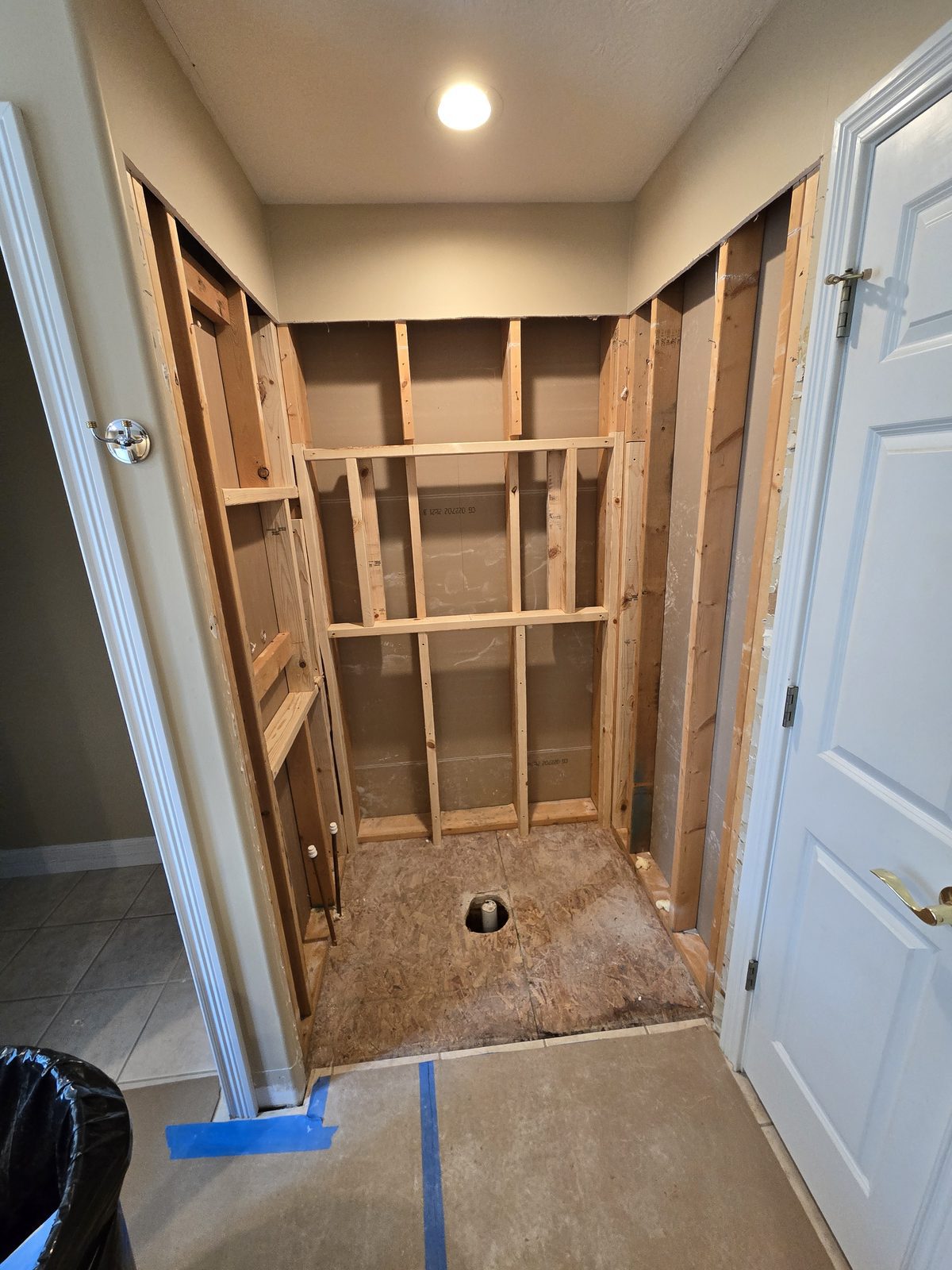
A good answer sounds like a process: the issue is shown to you, priced in writing and approved by you before work continues. Our guide to budget drift in home remodeling explains how small, unapproved changes add up.
Most remodels involve more than one company. Plumbers, electricians, tile setters and suppliers may all touch the job, and each one can have a claim on your home if they are not paid.
Indiana’s contract law requires the contract to state if any subcontractor, vendor or other third party will furnish labor or materials. Under Indiana’s mechanic’s lien law, a supplier or subcontractor working on an owner-occupied home generally must give the occupying owner written notice of lien rights “not later than thirty (30) days after the date of first delivery or labor performed.”
The Attorney General warns that “subcontractors and suppliers may file a mechanic’s lien against your home if they haven’t been paid,” and advises holding the final payment until you have written proof they were. Ask how the contractor handles that.
These are the questions Greater Lafayette homeowners ask most when they are comparing remodelers. Each answer points back to the law or guidance above.
Indiana’s Home Improvement Contracts Act covers home improvement contracts over $150 on homes with one to four units. The contractor must give you a completed contract before you sign, including a detailed description of the work, approximate start and completion dates, the price, and any subcontractors or suppliers involved in the job.
Not statewide. Indiana licenses plumbers at the state level, and local governments set their own rules for other trades. The City of Lafayette requires bonds for general contractors and licenses for electricians, and the Tippecanoe County Building Commission requires a bond from every contractor on a permitted job.
Usually the contractor, with your consent. Indiana law requires the contract to be conditioned on the appropriate party getting the permits before work starts, and the FTC lists a contractor asking you to get the permits as a warning sign. The right office depends on your address: Lafayette, West Lafayette or the county.
The Indiana Attorney General advises paying no more than one third of the total cost as a down payment and tying the remaining payments to completed work. That is guidance rather than a law. Indiana law does require the contractor to sign the contract before you can be required to make any down payment.
If your home was built before 1978 and the work will disturb painted surfaces, EPA rules generally require the firm to be lead-safe certified, including sole proprietors. Census data puts about 59% of Lafayette homes as built before 1980, so it is worth asking any remodeler for their certification.
Get it in writing first. Under Indiana law, a change to a home improvement contract is not enforceable against you unless it is written and signed by you. A good remodeler will show you the issue, price the change in writing and wait for your approval before doing the extra work.
Ready to put us through the seven questions? Consultations are free. We will give you a clear scope of work, transparent pricing and a realistic timeline in writing. No surprises, clear next steps.