

Quick answer: A change order is a written, signed change to the work, price or schedule in your remodeling contract. It is normal when you change or add something, choose an upgrade, or the crew finds hidden damage. It is a red flag when changes are verbal, pressured, vague, or cover work that belonged in the original scope. In Indiana, a change must be written and signed by you.
Hearing “we need a change order” can make any homeowner nervous. It sounds like the price is going up, and sometimes it is. But most remodels have at least one, and many are completely reasonable.
The difference between a normal change order and a problem is rarely the dollar amount. It is how the change is explained, documented and approved. This guide walks through what Indiana law requires and how to tell the two apart.
Want a contract that handles changes clearly from day one? We put the scope in writing, explain how changes are priced, and get your signature before any extra work begins.
Indiana’s Home Improvement Contracts Act, IC 24-5-11 applies to home improvement contracts over $150 on homes with one to four units. It is direct about changes: “A modification to a real property improvement contract is not enforceable against a consumer unless the modification is stated in a writing that is signed by the consumer.”
The same law requires the original contract to include “a reasonably detailed description of the proposed real property improvements” and “a statement of any contingencies that would materially change the approximate completion date.” In other words, the likely surprises should be named before the job starts.
The law never uses the words “change order.” The Federal Trade Commission’s guide to hiring a contractor fills in the term: “A change order is a written authorization to the contractor to make a change or addition to the work described in the original contract, and could affect the project’s cost and schedule.” It also says your contract should spell out “how change orders are handled.”
Legitimate change orders almost always trace back to one of three things. If a change order fits one of these and is documented properly, it is usually just part of the process.
Once a remodel is underway, many homeowners decide to add an outlet, move a light or extend tile further than planned. Those are real changes to the work, and they should come with a written price before they happen.
Selections change too. A different tile, a better vanity or a larger window can all shift the price. Industry survey data shows how common that is.
The 2026 U.S. Houzz and Home Study found that 37% of renovating homeowners exceeded their budget in 2025, and that many “consciously select higher-end materials than initially planned or expand the scope of their project midrenovation.” That is a choice, not a surprise, and a clear change order keeps it visible.
Older homes hide things. In Greater Lafayette, where much of the housing is decades old, opening a wall or floor can reveal water damage, outdated wiring or materials that need special handling.
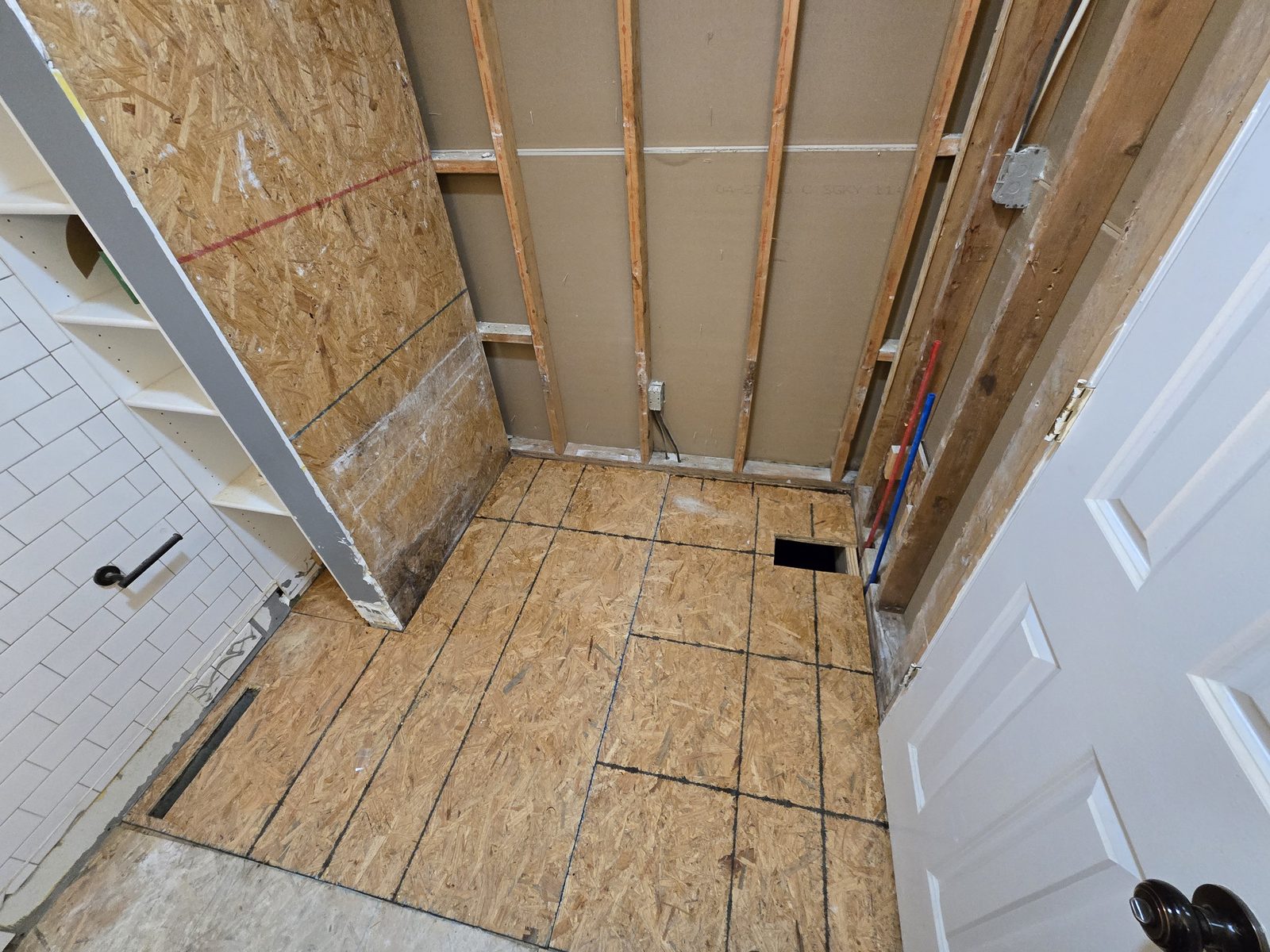
Some of these carry rules of their own. The EPA notes that “approximately three-quarters of the homes in the United States built before 1978 still contain some lead-based paint,” and work that disturbs it follows lead-safe practices. Indiana’s Department of Environmental Management says that “until the 1970s, many types of building materials, friction products, and insulation materials contained asbestos.”
Code can play a part as well. Indiana’s residential code says new additions and alterations must meet the code for new construction, “without requiring the existing structure to comply with all the requirements of this code.” So the new work has to be right, even when the old work around it was not.
Remodeling an older home? We walk the house with you before the contract and talk through what an older home could reveal, so surprises are planned for instead of sprung on you.
A change order becomes a problem when the process breaks down. These are the patterns worth questioning.
Verbal changes. If a contractor asks you to “just okay it” without paperwork, remember that Indiana law does not let an unsigned change be enforced against you. Ask for it in writing first.
Pressure to decide on the spot. Real hidden conditions need prompt decisions, but a contractor should still show you the problem, explain the options and give you a written price.
Vague descriptions. “Additional labor” or “extra materials” with no detail tells you nothing. A change order should describe the specific work and why it is needed.
Work that belonged in the original scope. If the contract promised a “reasonably detailed description” of the work, a change order for something that description already covered deserves a hard look.
Prices far out of line. Indiana’s home improvement code treats a contract price “in excess of four (4) times greater than the fair market value” of the work as prima facie evidence of an unconscionable contract. Most problems are not that extreme, but a second opinion is always fair.
A good change order is short and specific. It answers five questions on one page.
Keep every signed change order with your contract. The Indiana Attorney General’s consumer guidance advises keeping “the contract, change orders, warranties, and correspondence” for your project. That file is your record if questions come up later.
The best way to handle change orders is to need fewer of them. Most of that work happens before the contract is signed.
At Starling Construction, our approach is simple: if we uncover problems such as outdated wiring, plumbing issues or structural concerns, we review them with you right away and give you clear options. Nothing is done without your approval. Our guide to budget drift in home remodeling covers the other ways small changes add up.
These are the questions Greater Lafayette homeowners ask most once a remodel is underway. Each answer ties back to Indiana law or the guidance above.
A change order is a written authorization to change or add to the work in your original contract. The Federal Trade Commission notes that it can affect the project’s cost and schedule. A good change order describes the specific change, the reason for it, the price difference and any added time, and it carries your signature.
For it to be enforceable against you, yes. Indiana’s Home Improvement Contracts Act says a modification to a home improvement contract is not enforceable against the homeowner unless it is stated in a writing signed by the homeowner. That law covers contracts over $150 on homes with one to four units.
Yes, many remodels have at least one. They are normal when you change or add something, choose an upgrade, or the crew finds hidden conditions such as water damage behind a wall. What matters is that each change is explained, priced in writing and approved by you before the work is done.
Watch for changes agreed only verbally, pressure to approve on the spot, vague charges like “extra labor,” change orders for work the original scope already covered, and prices far out of line with the work. Any of these is a reason to slow down, ask questions and get the details in writing.
Start with a detailed written scope, make your selections before work begins, and ask what could be found behind the walls in an older home. Setting aside a contingency for the unknown also helps. You cannot rule out every change, but good planning keeps most of them small and predictable.
Ask for the details in writing: what the change is, why it is needed and how the price was set. Do not sign until you understand it. Indiana law does not let an unsigned change be enforced against you, and keeping your contract and change orders on file protects you if questions come up later.
Ready for a remodel without surprise charges? We give you a clear scope of work, transparent pricing and a realistic timeline, and every change is written and approved by you first. No surprises, clear next steps.